
Any aspiring classic car restoration and maintenance workshop would have the best and most efficient hand tools and equipment at their disposal, although in many cases restrictions of either budget or space prevent this from becoming a reality.
My classic car info has taken it up ourselves to compile, what we believe to be an accurate analysis of the most essential key categories of hand tools and equipment that a classic car restoration and maintenance workshop should either have or at least have access to to meet the demands of running a comprehensive and professional classic car restoration or maintenance workshop.
 A well-equipped classic car restoration and maintenance workshop must balance traditional craftsmanship with modern efficiency, safety, and reliability. Unlike general automotive garages, restoration workshops deal with fragile materials, obsolete designs, and labour-intensive processes that demand specialist equipment across many disciplines.
The quality and range of hand tools that the owner/operator of a classic car maintenance or restoration workshop will significantly influence both the efficiency of their work as well as the results achieved.
Hand tools have long been the foundation of working on cars, although the last century has witnessed significant changes. The first breakthrough was the introduction of power-driven tools followed by the rise of battery-operated cordless systems.
Every category of hand tools possesses their distinct strengths and weaknesses. It is important for the maintenance shop owner to embrace the benefits and drawbacks of each tool available on the market when determining a budget to equip a workspace with hand tools.

Even the most experienced mechanics will find that using conventional hand tools on a regular basis requires considerably more time than powered options, particularly for repetitive tasks.
That is one of the core reasons why the car industry began to seek alternatives to hand driven tools. During the Thirties in the US traditional car maintenance workshop began to experiment with hand tools powered by compressed air.
 Electrically operated power tools were found to be well-suited for such challenging tasks as cutting metal panels, drilling into hardened steel or polishing bodywork over extended periods.
Corded tools were found to offer greater value over time, especially in high-usage workshops, where their endurance in ongoing use allows them to be operated for extended periods without overheating or losing their effectiveness.
With all of the positive aspects that electrically powered tools brought to the workplace, it was soon observed that they did also come with their fair share of drawbacks. The first was their limited mobility, with the dependence on cords connected to a specific power outlet, posing unlimited challenges in spacious or busy workshops.
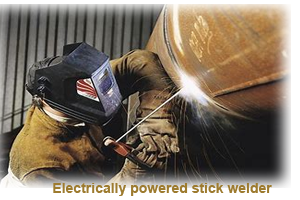
Trailing cables have been known to lead to some serious workshop accidents caused by the operator tripping over the wires or angling them, a factor which was known to cause unintentional damage to both machinery and vehicles.
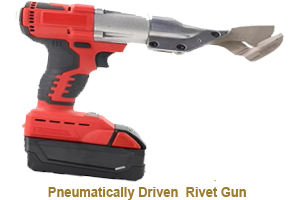 Ultimately, the most successful workshop will combine all three elements: hand tools for precision and dependability, battery-operated tools for convenience and effectiveness, and corded tools for demanding power needs. By achieving this balance, mechanics are equipped to tackle any automotive task with assurance, effectiveness, and safety.
Finally, investing in comfort, workflow and support infrastructure has been proven to enhance productivity in the workplace. That means enhanced heating, ventilation, fans, sound insulation and even computer workstations will make for a clear workflow layout that will reduce fatigue and improve job quality, especially during lengthy restoration or maintenance projects.
to4