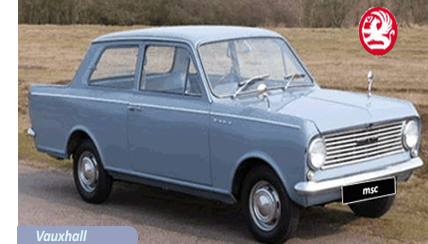
At the height of the "Swinging Sixties", British car manufacturers could almost do no wrong, introducing several models that would remain icons of global motoring history going on to become much sought after collector's items.
 The beginning of the decade saw the launch of the Mini, jointly produced and marketed by Morris and Austin, both now part of the BMC Group. The UK and the World could not get enough of the Mini. More than most other models, the Mini symbolised the UK automotive industry during the gold decade.
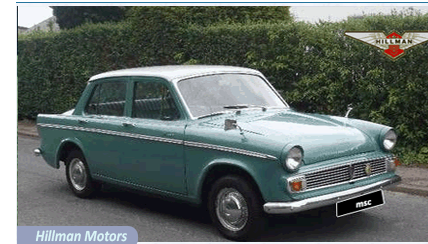
Such was the unprecedented demand in the compact car market; the Rootes Group even went as far as specially commissioning a production unit to produce their own compact- the Hillman Imp.
Despite the fact that it had an innovative air cooled rear engine and roomier than the BMC versions, the Imp failed to capture the imagination of the UK public.
Dissapointing sales coupled with a constant flow of worker disputes and lengthy strikes meant that the plant was closed within just twenty years of its opening.
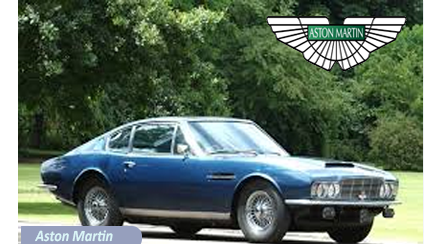
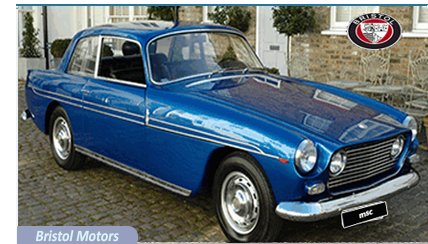
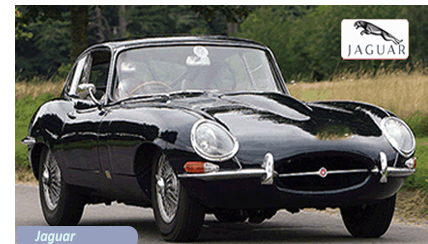
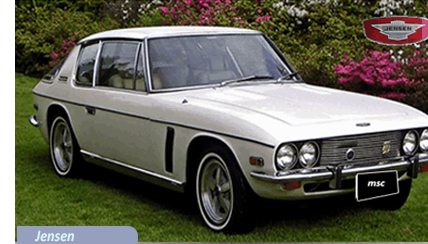
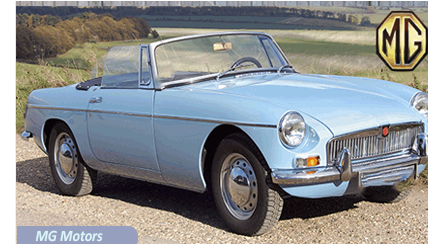
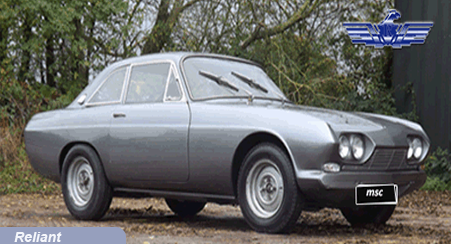
Another area where Britain had always been highly regarded and enjoyed considerable export sales was in the sports and touring car sectors, with iconic models from Jaguar, MG and Triumph earning international acclaim, backed up by some very attractive models from independents such as Aston Martin, Bristol, Jensen, Lotus and Reliant.
The beginning of the decade saw the launch of the Mini, jointly produced and marketed by Morris and Austin, both now part of the BMC Group. The UK and the World could not get enough of the Mini. More than most other models, the Mini symbolised the UK automotive industry during the gold decade.
Such was the unprecedented demand in the compact car market; the Rootes Group even went as far as specially commissioning a production unit to produce their own compact- the Hillman Imp.
Despite the fact that it had an innovative air cooled rear engine and roomier than the BMC versions, the Imp failed to capture the imagination of the UK public.
Dissapointing sales coupled with a constant flow of worker disputes and lengthy strikes meant that the plant was closed within just twenty years of its opening.
Another area where Britain had always been highly regarded and enjoyed considerable export sales was in the sports and touring car sectors, with iconic models from Jaguar, MG and Triumph earning international acclaim, backed up by some very attractive models from independents such as Aston Martin, Bristol, Jensen, Lotus and Reliant.
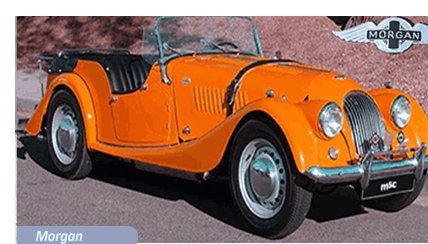
 Taking their share of the domestic and export market was Morgan using the traditional design and production methods that the family-owned concern had developed half a century earlier.
 In the mass-market family saloon sector, the key players, BMC, Triumph, Ford and Vauxhall, succeeded in holding on to their market share, despite intense competition from Western Europe and the Far East.
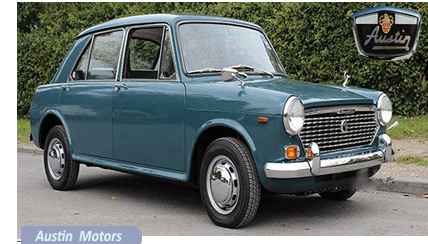
Among the top-sellers in the sector during the Sixties were the Morris 1000, eventually discontinued in 1969 after two decades in production.
In the mass-market family saloon sector, the key players, BMC, Triumph, Ford and Vauxhall, succeeded in holding on to their market share, despite intense competition from Western Europe and the Far East.
Among the top-sellers in the sector during the Sixties were the Morris 1000, eventually discontinued in 1969 after two decades in production.
So convinced were BMC that the Minor 1000 had run its course that they even introduced its replacement, the BMC 1100/1300 Series, in 1962, with the two models competing successfully against each other for the next seven years.
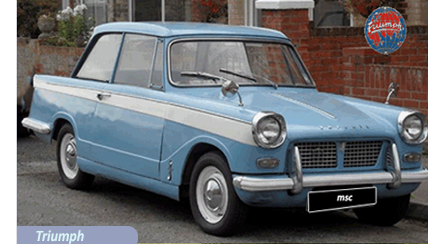
Triumph began the Sixties with their quirky Herald, which sold steadily despite in-house opposition from the 1300 series that first hit the showrooms in 1965.
In the mass-market family saloon sector, the key players Triumph, Ford and Vauxhall, succeeded in holding on to their market share, despite intense competition from Western Europe and the Far East.

BMC and the Rootes Group, on the other hand, saw their market share decrease dramatically towards the end of the Sixties.
Another market sector where the UK had always been highly regarded was in the sports and touring car sectors, with Jaguar, MG and Triumph earning international acclaim, backed up by independents such as Aston Martin, Bristol, Jensen, Lotus and Reliant.
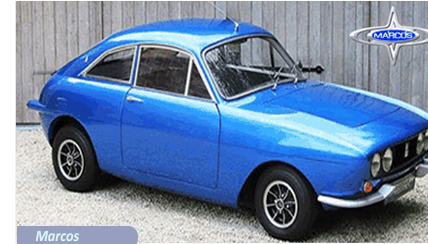
During the Sixties, a handful of boutique style car manufacturers, specialising in quirky, often hand made sports tourers sprung up, enjoying a wave of cult like uccess and critical appraisal. Prominent among them were Gordon-Keeble, Gilbetta,Marcos and TVR.
Incredible now as it was then, as the golden decade of the Sixties was drawing to a close , the incredible success enjoyed by the UK car industry was beginning to wane and would soon move into a state of free fall. Leading the UK car industry down the slippery slope was the hugely unsuccessful merger between BMC and British Leyland to form the British Leyland Motor Company (BLMC).
The merger, highly supported by the British Political system, was supposed to provide safety in numbers to allow UK manufacturers to better compete against the wave of less expensive and better produced cars coming from the Far East.
Leading the UK car industry down the slippery slope was the hugely unsuccessful merger between BMC and British Leyland to form the British Leyland Motor Company (BLMC).
The merger, highly supported by the British Political system, was supposed to provide safety in numbers to allow UK manufacturers to better compete against the wave of less expensive and better produced cars coming from the Far East.
 The unweildy conglomerate, trading as BLPC, was doomed to failure from the start, due to a combination of volatile labour relations and incompetent management that translated itself into dated designs, poorly finished cars and the inability to meet any kind or reasonable delivery schedule.
During the Seventies, the UK car industry declined to a level that companies who had survived wars and depressions disappeared from the scene, swallowed up by the global giants of the car industry, with much of the production going overseas.
The unweildy conglomerate, trading as BLPC, was doomed to failure from the start, due to a combination of volatile labour relations and incompetent management that translated itself into dated designs, poorly finished cars and the inability to meet any kind or reasonable delivery schedule.
During the Seventies, the UK car industry declined to a level that companies who had survived wars and depressions disappeared from the scene, swallowed up by the global giants of the car industry, with much of the production going overseas.
- Home Page
- UK Car Manufacturers
UK Car Manufacturers
Back- History of AC Motors
- History of Aston Martin
- History of Austin Motors
- History of Austin-Healey
- History of Bentley
- History of Bristol Motors
- History of Daimler
- History of Ford UK
- History of Gilbern
- History of Ginetta
- History of Gordon Keeble
- History of Hillman
- History of Humber
- History of Jaguar
- History of Jensen Motors
- History of Lotus
- History of Marcos
- History of MG Motors
- History of the Mini
- History of Morgan
- History of Morris Cars
- History of Reliant
- History of Riley Motors
- History of Rolls Royce
- History of Rover
- History of Triumph
- TVR
- History of Vauxhall
- History of Wolseley
- UK Model Catalogue of the Sixties
UK Model Catalogue of the Sixties
Back