 The ignition coil plays a very important role in the ignition system of petrol -powered internal combustion engines. The primary function of the ignition coil is to increase the low voltage generated by the vehicle’s battery into a high enough level needed to ignite the air-fuel mixture in the engine’s combustion chamber. This ignition process is what powers the vehicle and gets its wheels turning.
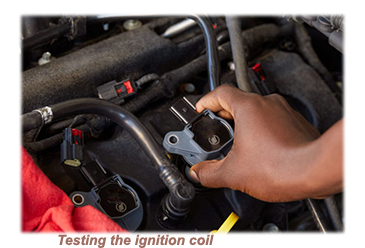 Almost an unsung hero, ignition coils are known to be very durable and last for many years, although if maintenance is neglected or operated under harsh conditions, ignition coils have been known to fail prematurely.
That’s why proper maintenance of the ignition coil has been proven to not only extends the lifespan of the coil but also ensures consistent engine performance, increased fuel efficiency and reduced emissions.
If the classic car in question is a daily driver, the first signs that all is not well with the ignition coil is when the vehicle starts misfiring or losing power. In these cases, a lot of drivers usually arrive at the conclusion that the problem lies with the of spark plugs first, although the real problem lies the ignition coil.
Ignition coils come in two types,
• the classic can-type coil
• the coil rail system.
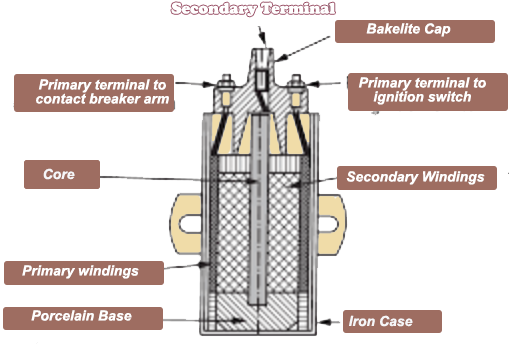
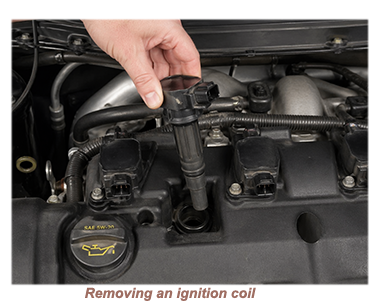 In either case, the coil contains two copper wire windings and a single laminated iron core, with the copper wires encased in insulating materials to prevent the risk of short circuits.
The battery current that is fed through the primary winding produces a magnetic field whose strength is further increased by the iron core.
When this circuit is opened, the magnetic field collapses, inducing a high voltage pulse in the secondary coil. This pulse is fed through the H.T. connection to the spark plugs. As an integral part of the ignition system, the coil produces the high voltage required to produce the electric spark to ignite the fuel. The relatively low battery voltage, nominally around 12V, is then transformed to up to 45,000V.
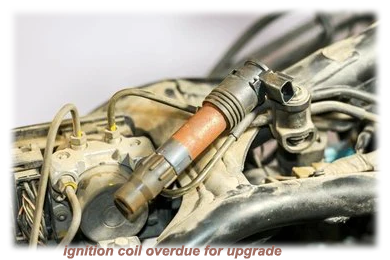 Ignition coils operate on the principle of electromagnetic induction. When the ignition switch is turned on, current flows from the battery through the primary winding of the ignition coil, creating a magnetic field around itl. When the current is interrupted, such as when the ignition switch is turned off, the magnetic field collapses, inducing a high voltage in the secondary winding of the coil. This high voltage is then sent to the spark plugs, generating sparks to ignite the air-fuel mixture.
Understanding how an ignition coil works will go a long way in helping to clarify why maintenance is such an important issue.
Among the simplest yet most effective ways of checking the health of an ignition coil is through regular visual inspections. The mechanic should especially key an eye open for signs of physical damage which can range from cracks in the housing, burn marks or corrosion at the terminals.
If the coil is cracked, moisture will begin to build up, rapidly disrupting electrical flow and eventually leading to misfires. Corrosion at connection points will increase resistance and reduce efficiency.
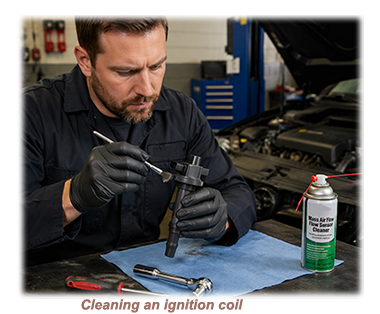
 Another essential rule of thumb is making sure that the ignition system is kept as clean as possible. It does not take long for dirt, oil, and road debris to accumulate around the coil and its connections, bringing with it the risk of electrical leakage or overheating.
Electrical connections should also be checked periodically. Loose or damaged wiring can cause intermittent operation or voltage spikes that harm the ignition coil. Ensure that all connectors are secure and free from fraying or exposed wires. If any wiring issues are detected, they should be repaired promptly to prevent further damage.
Heat is one of the biggest enemies of ignition coils. Overheating can degrade the insulation inside the coil, leading to internal shorts. Ensuring that the engine cooling system is functioning properly can indirectly protect the ignition coil. That means maintaining proper coolant levels, ensuring the radiator is not clogged, and verifying that cooling fans operate correctly.
 Additionally, the driver should do their best to avoid prolonged engine idling when unnecessary, as it will increase under-hood temperatures.
Another important factor when maintaining an ignition coil is the condition of the spark plugs. Worn or fouled spark plugs require a much-increased voltage to fire, which places additional strain on the ignition coil.
To prevent this from happening, a regular inspection regime should be put in place, and spark plugs should be replaced according to the manufacturer’s recommendations, thus significantly reducing stress on the coil. Care should be taken to replace damaged spark plug wires, a fault that can lead to voltage drops, forcing the coil to work harder than should have to.
 When it comes to replacing ignition coils, spark plugs or wires, many cost-conscious owners make the mistake of using lower-quality replacement parts. If an ignition coil or related component needs to be replaced, choosing parts that at least meet and hopefully exceed original equipment specifications is a wise move.
Low-quality replacement parts may not be capable of handling the electrical demands of an ageing electrical system effectively, which will almost certainly lead to repeated failures and additional costs.
Ignition coils are often overlooked, but they are integral to a engine’s performance and reliability. By understanding how ignition coils work and their importance, you can take better care of your vehicle and even explore upgrades to enhance its performance. Regular maintenance, including checking and replacing ignition coils as needed, is essential for keeping the engine running smoothly.
- Maintenance Page
- Classic Car Alternators
- Classic Car Batteries
- Classic Car Ignition Systems
- Classic Car Lighting Systems
- Classic Car Wiring Systems
- Classic Car Fuse Systems
- Classic Car Starter Systems
- Classic Car Ignition Systems
- Classic Car Spark Plugs
- Classic Car Distributors
- Classic Car Spark Plugs

