
Surface preparation is one of the most time-consuming and quality-critical stages of classic car restoration. Beneath layers of aged paint, filler, and corrosion lies metal that must be carefully cleaned, stabilised, and shaped before repairs or refinishing can begin.
Pneumatically powered sanding, surface preparation, and rust removal tools have long been favoured in professional restoration workshops because they combine consistent performance, fine control, durability, and safety—qualities essential when working on irreplaceable historic panels and components.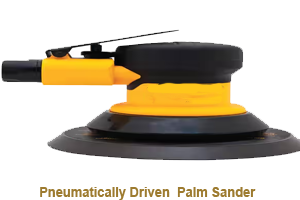 The pneumatic random orbital sander (DA) is often regarded as the most important tool in most bodywork operations, valued for its ability to remove paint, primer, and light corrosion while minimising swirl marks and surface distortion. Compared with electric DA sanders, pneumatic versions are typically lighter and better balanced, allowing extended use across large panels such as bonnets, doors, and wings. The simple air-motor driven design of the pneumatic random orbital sanderalso means that it can run continuously without the risk of overheating, while constantly delivering consistent speed and finish through long sessions.
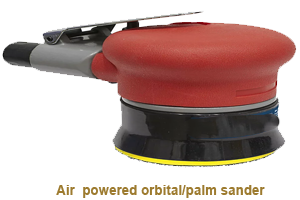 For more general-purpose flatting and feather-edging, the air orbital/palm sander is another mainstay in the classic car restoration and maintenance workshop. Both compact and responsive, the air orbital/palm sander is an ideal for tool for blending repair area and preparing surfaces for primer and smoothing filler. Pneumatic palm sanders help the operator “feel” the panel and detect imperfections that might otherwise be missed, especially important when working on thin, hand-formed panels typical of classic cars of the Fifties and Sixties, where excessive pressure can easily cause damage.
The air detail sander comes into its own on areas where operator access becomes restricted. Specifically designed for work in complex contours, tight corners, swage lines and window apertures, the air detail sander makes precise sanding in areas that larger machines cannot reach a much less daunting task.
For more general-purpose flatting and feather-edging, the air orbital/palm sander is another mainstay in the classic car restoration and maintenance workshop. Both compact and responsive, the air orbital/palm sander is an ideal for tool for blending repair area and preparing surfaces for primer and smoothing filler. Pneumatic palm sanders help the operator “feel” the panel and detect imperfections that might otherwise be missed, especially important when working on thin, hand-formed panels typical of classic cars of the Fifties and Sixties, where excessive pressure can easily cause damage.
The air detail sander comes into its own on areas where operator access becomes restricted. Specifically designed for work in complex contours, tight corners, swage lines and window apertures, the air detail sander makes precise sanding in areas that larger machines cannot reach a much less daunting task.
 Pneumatically driven detail sanders can maintain a stable speed even under varying loads, allowing operators delicate control while reducing the risk of cutting through original metal or delicate edges. Because they are so light in weight and compact, operator fatigue is reduced during prolonged precision projects.
When it comes to rust removal, more aggressive methods will be required, meaning that tools such as the air strip-and-clean tool can be called in to provide an effective yet controlled solution. Using non-woven abrasive discs, air strip-and-clean tool will remove paint, underseal, and surface corrosion without the risk of excessive metal loss.
Pneumatically driven strip-and-clean tools are particularly valued for their smooth operation combined with resistance to clogging, making them ideal for such tasks as cleaning chassis components, suspension arms and welded seams while preserving the integrity of the underlying metal.
Pneumatically driven detail sanders can maintain a stable speed even under varying loads, allowing operators delicate control while reducing the risk of cutting through original metal or delicate edges. Because they are so light in weight and compact, operator fatigue is reduced during prolonged precision projects.
When it comes to rust removal, more aggressive methods will be required, meaning that tools such as the air strip-and-clean tool can be called in to provide an effective yet controlled solution. Using non-woven abrasive discs, air strip-and-clean tool will remove paint, underseal, and surface corrosion without the risk of excessive metal loss.
Pneumatically driven strip-and-clean tools are particularly valued for their smooth operation combined with resistance to clogging, making them ideal for such tasks as cleaning chassis components, suspension arms and welded seams while preserving the integrity of the underlying metal.
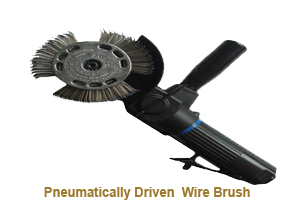 For advanced corrosion, the air wire wheel tool is the best option. Offering the highest level of heavy-duty performance, pneumatically driven wire wheels provide high torque at consistent speed, enabling rapid removal of scale, rust, and old coatings from brackets, fasteners, and cast components.
Unlike their electrically driven counterparts, air-powered wire wheel tool versions are less prone to overheating under load and tolerate harsh workshop conditions such as dust and debris with ease.
For advanced corrosion, the air wire wheel tool is the best option. Offering the highest level of heavy-duty performance, pneumatically driven wire wheels provide high torque at consistent speed, enabling rapid removal of scale, rust, and old coatings from brackets, fasteners, and cast components.
Unlike their electrically driven counterparts, air-powered wire wheel tool versions are less prone to overheating under load and tolerate harsh workshop conditions such as dust and debris with ease.
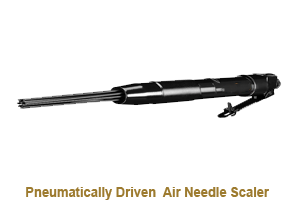 At the extreme end of rust removal, the air needle scaler remains indispensable, thanks to its rapid, percussive action which is proven to be highly effective when it comes to breaking up thick rust, under seal and old seam sealer on such problematic places as chassis rails, floor pans and suspension mounting points, allowing operators to target corrosion precisely without generating excessive heat and resultant distortion vital when dealing with structural areas of classic vehicles.
Air driven tools possess the inherent advantage of being inherently safe in environments where powerful chemicals, solvents, fuels, and paint vapours are in constant use, as they do not generate electrical sparks.
At the extreme end of rust removal, the air needle scaler remains indispensable, thanks to its rapid, percussive action which is proven to be highly effective when it comes to breaking up thick rust, under seal and old seam sealer on such problematic places as chassis rails, floor pans and suspension mounting points, allowing operators to target corrosion precisely without generating excessive heat and resultant distortion vital when dealing with structural areas of classic vehicles.
Air driven tools possess the inherent advantage of being inherently safe in environments where powerful chemicals, solvents, fuels, and paint vapours are in constant use, as they do not generate electrical sparks.

- Pneumatically Powered Bodywork,Panel and Dent Repair Tools
- Pneumatically Powered Cleaning,Blowing and Degreasing Tools
- Pneumatically Powered Cutting,Grinding and Metal Removal Tools
- Pneumatically Powered Drilling, Fastening and Thread Work Tools
- Pneumatically Powered Mechanical and Service Tools
- Pneumatically Powered Paint, Coating and Finishing (Handheld) Tools
- Pneumatically Powered Riveting, Clamping and Assembly Tools
- Pneumatically Powered Sanding, Surface Preparation and Rust Removal Tools
- Pneumatically Powered Vibration, Impact and Specialty Tools
to4