Electrically operated hand-held tools have become the most in-demand of the modern classic car restoration and maintenance workshop. While traditional manual tools and pneumatically driven equipment still hold an important place, particularly when it comes to retaining period-correct environments, handheld electrically powered tools offer a compelling balance of convenience, precision and versatility.
The role of handheld electrically powered tools covers everything from drilling and metal removal to paint preparation, wiring, inspection, and final assembly. However, their use is not without its drawbacks, especially when it comes to working on fragile and often irreplaceable components found in classic cars.
Understanding both the strengths and limitations of working with hand held electrically powered tools electric tools is an essential skill and one that is unsurpassable when striving to achieve the highest quality when it comes to classic car restorations and maintenance.
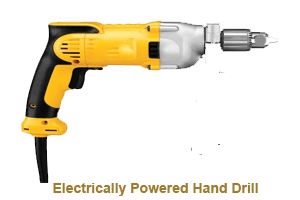
Electric drills, drivers and thread-repair tools offer the modern-day classic car craftsman precise speed control and consistent torque delivery, making them ideal for delicate castings, thin panels, and aged fasteners. Variable-speed electric drills allow careful pilot drilling in brittle aluminium or cast-iron components, reducing the risk of cracking.
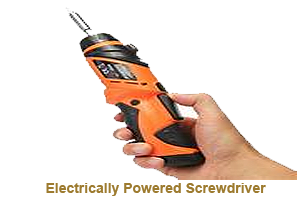 Electric screwdrivers and nut drivers improve repeatability during assembly, particularly for trim and interior work where uniform fastener tension is desirable. Electric thread-repair tools and insert drivers can do an unbelievable job when restoring damaged threads accurately, preserving original components that would otherwise be scrapped.
 The primary risk when handling handheld electrically powered tools lies in over-confidence. Electric tools can remove material or tighten fasteners much faster than manual methods, while at the same time increasing the chance of stripped threads or snapped bolts in corroded fixings. The possible downside is that sub-standard quality tools may lack fine control at low speeds, while their prolonged use is liable to generate heat levels liable to damages surrounding paint, seals, or gaskets.
 Handheld electrically powered die grinders, electric grinders, electric files and rotary tools provide controlled, efficient metal removal with minimal physical effort. Invaluable when it comes to trimming repair panels, cleaning weld edges, removing seized fasteners, and shaping brackets. Compared to pneumatic tools, Handheld electrically powered electric tools consistently deliver top quality results without requiring the back up of a large compressor, making them well suited to small or mobile workshops.
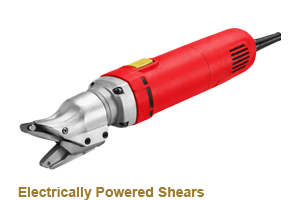 Handheld electrically powered cutting tools are known for their aggression if not handled properly, meaning that a moment’s inattention can permanently alter a rare component. Sparks, heat buildup, and vibration is liable to cause damage to nearby trim or paintwork if not properly shielded. Additionally, prolonged high-load use may cause some handheld electrically powered tools to overheat, whereas pneumatic equivalents often tolerate sustained operation better.
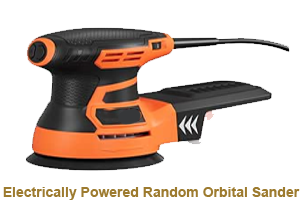
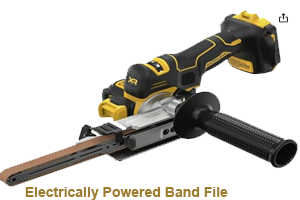 Electrically powered sanders and rust-removal tools are among the most transformative technologies in restoration work. Random orbital sanders, surface conditioning tools, and wire brush motors combine to provide uniform finishes while reducing operator fatigue. Their variable speed control feature allows careful adjustment when working on old paint systems, lead-loaded bodywork or thin steel panels.
Over-sanding is a recognised risk in classic car restoration and maintenance workshop, especially when working on vehicles with thin original panels or multiple historic paint layers. These powerful tools can quickly remove factory stampings, edges, or character lines if used carelessly. Dust generation is another concern when operating a handheld electrically powered sander, requiring proper extraction and protective equipment to avoid contaminating freshly restored areas.
 Electric polishers and detailing tools allow controlled correction of aged paintwork, oxidised lacquer, and chrome surfaces. Adjustable speed settings make it possible to work safely on fragile finishes that would be impossible to revive by hand alone. Electric tools significantly reduce labour time while achieving deeper gloss and more uniform results, particularly on large body panels.
Heat buildup can burn through thin paint or damage original finishes that cannot be replicated. Inexperienced use may introduce swirl marks or holograms, especially on softer historic paint systems. As with sanding, operator restraint and experience are essential.
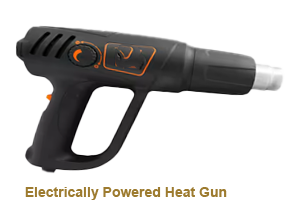 Electric heat guns, glue-based dent repair tools, stud welders, and hot staplers have expanded what is possible in panel restoration without the need for full panel replacement. These tools combine in a modern classic car restoration and maintenance workshop to enable precise localised repairs, reducing the need for invasive cutting or filler.
On the other hand, improperly applied heat application can warp panels, particularly thin pre-war or early post-war steel. Electric dent-repair tools require skill and patience; misuse can stretch metal or damage surrounding paint.
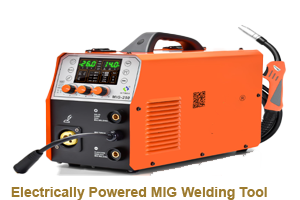 Compact electric MIG, TIG, and spot-welding equipment provides excellent control for thin automotive steels and aluminium alloys commonly found in classic cars. Electric welders allow precise heat input, essential for maintaining panel alignment and avoiding distortion, while integrating seamlessly into smaller workshops where gas or large industrial equipment may be impractical.
Electric welding equipment can be sensitive to power quality, and inconsistent supply may affect weld performance. Entry-level machines may lack the fine control required for delicate restoration work, and incorrect settings can easily burn through aged metal.
Electric grease guns, fluid extractors, oil transfer pumps, and tyre inflators streamline routine servicing tasks. Their presence reduces physical strain on the operator while improving cleanliness in the workshop, especially when working on multiple vehicles.
 Electric soldering irons, heat-shrink tools, crimpers, and loom-wrapping devices have dramatically increased reliability, making for consistent joints, controlled heat application, and professional-grade wiring looms that respect original routing and appearance, particularly valuable when restoring ageing insulation and connectors.
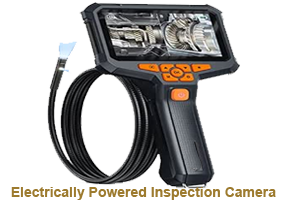 Electric inspection cameras, digital calipers, timing lights, paint thickness gauges, and laser levels provide insights that were previously impossible without disassembly. They help diagnose issues early, preserve originality, and reduce unnecessary dismantling of historic components.
Electrically operated hand-held tools offer significant advantages in efficiency, precision, and repeatability within the classic car restoration and maintenance workshop. When used thoughtfully, they enhance workmanship while preserving originality.
It is now recognised that he most successful restoration environments integrate electric tools alongside manual and pneumatic equipment, using each where it performs best. In classic car work, the tool is never more important than the judgement of the craftsman using it.

to4