 >Bodywork repair tools lie at the very heart of classic car restoration. Preserving original panels, correcting decades of distortion, and protecting vulnerable metal from future corrosion all demand accuracy, control, and mechanical sympathy.
Hand-held electrically powered bodywork tools provide modern restorers with methods of for reshaping, bonding, sealing, and protecting panels, allowing repairs that would once have required panel replacement. Used correctly, bodywork repair enhance precision while respecting originality.
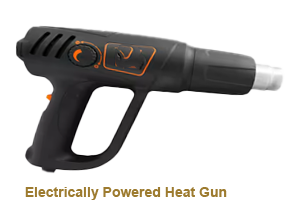
The electric heat gun stands out as one of the most functional tool for bodywork applications.
Highly adaptable operation of the electric heat gun involves a heating element and a fan that generate a regulated flow of hot air, with temperatures that can be adjusted as needed.
Heat guns are commonly utilised for softening old paint, adhesives, seam sealer, sound deadening, and vinyl trims. In dent repair, the application of controlled heat effectively alleviates panel stress and aids in minor reshaping, making them essential for shrinking heat-shrink tubing, curing coatings, and drying moisture during preparation—while avoiding the use of open flame near aged materials.
Fulfilling two specific restoration functions, the electric glue gun operates through internal heater melts adhesive sticks that allow for hot glue dispersion through a trigger-controlled nozzle.
>Bodywork repair tools lie at the very heart of classic car restoration. Preserving original panels, correcting decades of distortion, and protecting vulnerable metal from future corrosion all demand accuracy, control, and mechanical sympathy.
Hand-held electrically powered bodywork tools provide modern restorers with methods of for reshaping, bonding, sealing, and protecting panels, allowing repairs that would once have required panel replacement. Used correctly, bodywork repair enhance precision while respecting originality.
The electric heat gun stands out as one of the most functional tool for bodywork applications.
Highly adaptable operation of the electric heat gun involves a heating element and a fan that generate a regulated flow of hot air, with temperatures that can be adjusted as needed.
Heat guns are commonly utilised for softening old paint, adhesives, seam sealer, sound deadening, and vinyl trims. In dent repair, the application of controlled heat effectively alleviates panel stress and aids in minor reshaping, making them essential for shrinking heat-shrink tubing, curing coatings, and drying moisture during preparation—while avoiding the use of open flame near aged materials.
Fulfilling two specific restoration functions, the electric glue gun operates through internal heater melts adhesive sticks that allow for hot glue dispersion through a trigger-controlled nozzle.
 In paintless dent repair, glue guns are utilised to attach pulling tabs to dented panels, facilitating the gentle extraction of dents without the need for drilling or welding, maintaining the integrity of the original metal and paint whenever feasible. Glue guns serve a practical purpose for temporary fixturing, trim positioning, and pattern work in the process of panel fabrication.
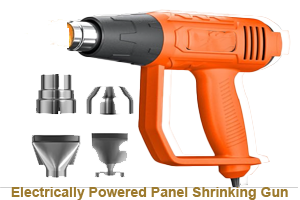 The electric panel shrinking gun serves as a highly precise tool for shaping metal.
Classic panels often experience issues such as oil-canning or overstretching because of corrosion repairs or previous damage. Shrinking guns facilitate precise correction without the need for hammering or excessive filler, thereby preserving original panels and ensuring accurate contours.
The electric panel shrinking gun is operated by a copper electrode which heats a localised section of stretched metal, subsequently followed by rapid cooling, typically using compressed air, which results in the contraction of the metal.
>
The electric panel shrinking gun serves as a highly precise tool for shaping metal.
Classic panels often experience issues such as oil-canning or overstretching because of corrosion repairs or previous damage. Shrinking guns facilitate precise correction without the need for hammering or excessive filler, thereby preserving original panels and ensuring accurate contours.
The electric panel shrinking gun is operated by a copper electrode which heats a localised section of stretched metal, subsequently followed by rapid cooling, typically using compressed air, which results in the contraction of the metal.
> Mainly utilised when working with plastic components, the electric hot stapler inserts heated metal staples into cracked plastic with the aid of an electrically heated tip, effectively bonding the material from the inside.
Classic cars, although predominantly metal, often incorporate plastic components such as grilles, heater boxes, lamp housings, and interior trim. Hot staplers enable subtle and robust repairs that preserve original components. Many of these parts may be no longer available, making having the electric hot stapler a significant benefit in heritage restoration.
Mainly utilised when working with plastic components, the electric hot stapler inserts heated metal staples into cracked plastic with the aid of an electrically heated tip, effectively bonding the material from the inside.
Classic cars, although predominantly metal, often incorporate plastic components such as grilles, heater boxes, lamp housings, and interior trim. Hot staplers enable subtle and robust repairs that preserve original components. Many of these parts may be no longer available, making having the electric hot stapler a significant benefit in heritage restoration.
 The electric stud welder plays a crucial role in contemporary dent repair.
Stud welders enable the removal of dents from the exterior without the need for drilling holes or gaining access to the rear of the panel. The heat input is minimal and localised, which makes the stud welding technique an ideal solution for correcting dents in doors, wings, and quarter panels while maintaining the integrity of the panels.
The electric stud welder operates by applying copper-coated studs that are briefly welded to the panel surface through the application of controlled electrical current. The studs are subsequently extracted using slide hammers or bridges prior to their removal.
Enhancing pre-paint preparation efficiency to an immeasurable level, the electric masking film applicator efficiently dispenses and cuts masking film, simultaneously applying a static charge to ensure it adheres to surfaces.
The time and costs involved in covering extensive sections of classic cars can be considerable. Electric applicators enhance the efficiency of masking, minimising the chances of tape marks or overspray, and safeguarding newly restored surfaces during painting and underbody tasks.
Infrared radiation effectively heats panels from the inside out, ensuring an even curing process for paint, primer, fillers, and sealers.
The electric stud welder plays a crucial role in contemporary dent repair.
Stud welders enable the removal of dents from the exterior without the need for drilling holes or gaining access to the rear of the panel. The heat input is minimal and localised, which makes the stud welding technique an ideal solution for correcting dents in doors, wings, and quarter panels while maintaining the integrity of the panels.
The electric stud welder operates by applying copper-coated studs that are briefly welded to the panel surface through the application of controlled electrical current. The studs are subsequently extracted using slide hammers or bridges prior to their removal.
Enhancing pre-paint preparation efficiency to an immeasurable level, the electric masking film applicator efficiently dispenses and cuts masking film, simultaneously applying a static charge to ensure it adheres to surfaces.
The time and costs involved in covering extensive sections of classic cars can be considerable. Electric applicators enhance the efficiency of masking, minimising the chances of tape marks or overspray, and safeguarding newly restored surfaces during painting and underbody tasks.
Infrared radiation effectively heats panels from the inside out, ensuring an even curing process for paint, primer, fillers, and sealers.
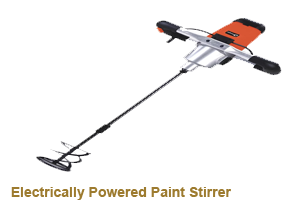 The electric paint stirrer also play an important role is it guarantees uniform coatings in even the most intricate paint job.
Operated by a compact electric motor powering a mixing paddle inserted into containers of paint or coating, the electric paint stirrer is used for all classic paint systems where the final finish is crucial, especially primers, single-stage paints, and underbody coatings. Procedures that necessitate comprehensive mixing to achieve the appropriate colour, viscosity, and protection. Electric mixers provide uniformity, minimising defects and enhancing finish consistency throughout panels.
>Offering effective corrosion protection, the electric cavity wax spray gun is operated by an electric pump that atomises wax or protective coatings using flexible wands and nozzles.
Classic cars are particularly susceptible to corrosion, especially in areas such as box sections, sills, doors, and chassis rails. Electric wax guns provide reliable coverage and penetration, significantly enhancing long-term rust protection and eliminating the uneven application often associated with manual pumps.
The electric paint stirrer also play an important role is it guarantees uniform coatings in even the most intricate paint job.
Operated by a compact electric motor powering a mixing paddle inserted into containers of paint or coating, the electric paint stirrer is used for all classic paint systems where the final finish is crucial, especially primers, single-stage paints, and underbody coatings. Procedures that necessitate comprehensive mixing to achieve the appropriate colour, viscosity, and protection. Electric mixers provide uniformity, minimising defects and enhancing finish consistency throughout panels.
>Offering effective corrosion protection, the electric cavity wax spray gun is operated by an electric pump that atomises wax or protective coatings using flexible wands and nozzles.
Classic cars are particularly susceptible to corrosion, especially in areas such as box sections, sills, doors, and chassis rails. Electric wax guns provide reliable coverage and penetration, significantly enhancing long-term rust protection and eliminating the uneven application often associated with manual pumps.
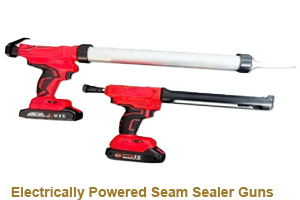 The electric seam sealer gun delivers precise application of sealing compounds, operated by motorised plunger dispenses seam sealer at a controlled rate, typically featuring adjustable speed settings.
Seam sealing plays a vital role following panel replacement or repair. The electric seam sealer gun delivers sealant at consistent preset levels, even beads that mimic factory finishes, while also guaranteeing effective moisture exclusion, essential for both durability and authenticity.
Hand-held electrically powered bodywork panel and dent repair tools have transformed classic car restoration by enabling precise, minimally invasive repairs. From dent pulling and metal shrinking to sealing, curing, and corrosion protection, these tools allow restorers to preserve original panels, reduce filler use, and achieve higher-quality finishes.
When combined with traditional craftsmanship and a sympathetic approach, they offer the perfect balance between modern efficiency and historic authenticity—ensuring classic cars remain structurally sound, visually correct, and protected for decades to come.
The electric seam sealer gun delivers precise application of sealing compounds, operated by motorised plunger dispenses seam sealer at a controlled rate, typically featuring adjustable speed settings.
Seam sealing plays a vital role following panel replacement or repair. The electric seam sealer gun delivers sealant at consistent preset levels, even beads that mimic factory finishes, while also guaranteeing effective moisture exclusion, essential for both durability and authenticity.
Hand-held electrically powered bodywork panel and dent repair tools have transformed classic car restoration by enabling precise, minimally invasive repairs. From dent pulling and metal shrinking to sealing, curing, and corrosion protection, these tools allow restorers to preserve original panels, reduce filler use, and achieve higher-quality finishes.
When combined with traditional craftsmanship and a sympathetic approach, they offer the perfect balance between modern efficiency and historic authenticity—ensuring classic cars remain structurally sound, visually correct, and protected for decades to come.

to4