 Whether recommissioning a long-stored engine, rebuilding suspension components, or carrying out routine maintenance, accuracy, cleanliness, and repeatability are essential.
Hand-held electrically powered mechanical service and assembly tools have become increasingly popular in restoration workshops because they reduce physical effort, improve consistency, and minimise the risk of damage to ageing components.
Whether recommissioning a long-stored engine, rebuilding suspension components, or carrying out routine maintenance, accuracy, cleanliness, and repeatability are essential.
Hand-held electrically powered mechanical service and assembly tools have become increasingly popular in restoration workshops because they reduce physical effort, improve consistency, and minimise the risk of damage to ageing components.
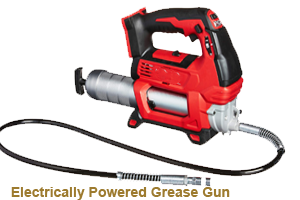
In a classic car restoration and maintenance workshop, electric grease guns are ideal for lubricating suspension joints, kingpins, prop-shaft universal joints, steering linkages, and chassis lubrication points. Many classic cars come fitted with multiple grease nipples requiring regular servicing.
Carrying out this task with an electric grease gun ensures consistent grease delivery while reducing operator fatigue. Controlled pressure also helps prevent seal damage—an important consideration when working with older rubber and felt seals.An electrically powered grease gun is operated through a mains-powered motor which drives an internal piston, delivering grease at controlled pressure through a flexible hose and nozzle. All the operator has to do is activate the flow with a trigger, which will allow precise lubrication without the need for strenuous and repetitive hand pumping.
 Operating through using a small electric vacuum pump to draw fluids through a probe or hose into a sealed collection container, electric fluid extractors are commonly used for engine oil, gearbox oil, brake fluid, coolant, and power steering fluid.
For classic cars, fluid extractors offer a clean and non-invasive alternative to traditional drain-plug removal, especially beneficial where sump plugs are seized, threads are fragile, or access is limited. Electric extractors reduce spillage, allow controlled fluid sampling for inspection, and make routine servicing quicker and safer. particularly on vehicles with low ground clearance or non-standard drain arrangements.
 An electric brake bleeder uses an electrically powered pump to either pressurise the brake fluid reservoir or create a vacuum at the bleed nipple, forcing air and old fluid out of the system. A trigger or switch operation is usually standard, allows single-person bleeding.
Classic braking systems, often featuring drum brakes, single-circuit hydraulics, or remote reservoirs, can be time-consuming to bleed manually. Electric brake bleeders provide steady fluid flow, reducing the risk of introducing air into the system, especially useful when rebuilding wheel cylinders or replacing brake lines, ensuring reliable pedal feel and improved safety without repeated pedal pumping that can damage master cylinder seals.
 Driven by a small electric motor to move oil or other fluids between containers via hoses, an electric oil transfer pump’s flow rates are typically adjustable, allowing controlled transfer without splashing or contamination.
In a restoration workshop, oil transfer pumps are invaluable for filling gearboxes, differentials, and overdrive units where gravity filling is impractical. While also useful for transferring fresh oil from storage drums to smaller containers or directly into engines. Electrically powered units reduce effort and ensure consistent flow, particularly when dealing with thicker oils commonly specified for classic vehicles.
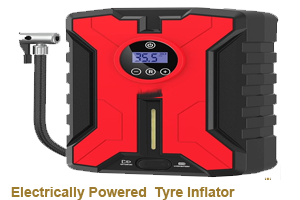 An electrically powered tyre inflator is a handy tool to have in a classic car maintenance workshop, where classic cars are worked on. These iconic vehicles frequently run higher sidewall tyres or non-standard pressures, making accurate inflation essential for ride quality and handling. Electric inflators allow precise pressure control and are particularly useful during recommissioning after long storage, when tyres may have lost pressure gradually, whilst reducing dependence on workshop air lines by providing a portable solution for both workshop and roadside use.
The electric tyre inflator uses a compact electric compressor to deliver compressed air through a hose and chuck, often with an integrated pressure gauge and automatic shut-off.
When rebuilding classic cylinder heads, correct valve seating is critical for compression and engine longevity. That’s why electric lapping tools have become popular in a classic car restoration and workshop, thanks to their ability to provide consistent, controlled motion compared with traditional hand sticks, reducing fatigue and improving repeatability, especially valuable when working on multi-valve heads or engines with hardened valve seats, where uniform contact is essential.
 The electric valve lapping tool uses a low-speed electric motor to rotate or oscillate a suction cup attached to an engine valve, this motion evenly distributing abrasive paste between the valve and seat, ensuring proper sealing.
Using either a rotating or oscillating abrasive pad or scraper driven by an electric motor, an electric gasket remover is designed specifically for surface preparation, electric gasket remover removing old gasket material, sealant, and carbon deposits without excessive abrasion.
In classic car restoration, mating surfaces on engines, gearboxes, and water pumps must be cleaned thoroughly without damaging soft aluminium or cast-iron faces. Electric gasket removers offer controlled material removal, reducing the risk of gouging or warping surfaces, which will lead to improved sealing, meaning fewer leaks and improved reliability once components are reassembled.
Hand-held electrically powered mechanical service and assembly tools deliver clear advantages in the classic car workshop. They reduce physical strain, increase consistency, and improve overall workflow efficiency. Electric operation provides predictable performance without the noise and infrastructure demands of pneumatic systems.
For both routine maintenance and full restorations, electrically powered mechanical service and assembly tools have become indispensable companions, bridging traditional craftsmanship with modern efficiency.

to4